

How to Optimize Trade Show Displays for Maximum Visibility
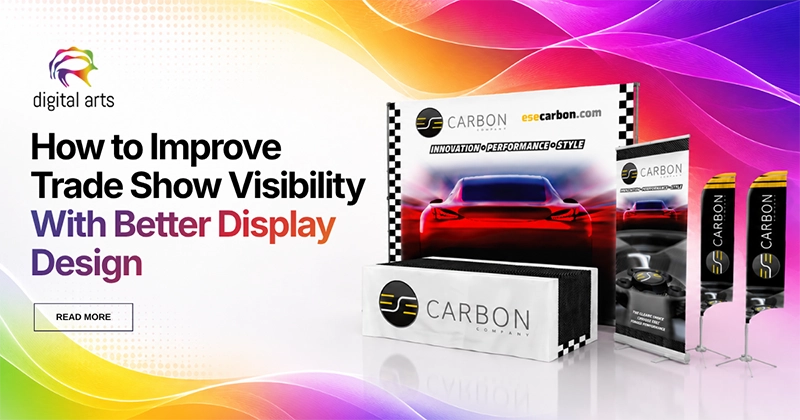
Trade shows are competitive environments. Every exhibitor is trying to grab attention, attract foot traffic, and create memorable interactions with attendees. In a crowded event hall filled with bright colors, banners, and product demonstrations, standing out takes more than simply showing up with a table and backdrop.
Improving trade show visibility starts with strategic display design. From booth layout and signage to lighting and attendee interaction, every detail influences whether people stop at a booth or walk right past it.
For exhibitors and marketing teams, optimizing trade show displays can lead to stronger brand awareness, higher engagement, and better event results.
Why Trade Show Visibility Matters
Trade shows give businesses the opportunity to connect with potential customers face-to-face. But visibility is often the biggest challenge. If attendees do not notice a booth, they will never learn about the products or services being offered.
Strong visibility helps:
- Increase booth traffic
- Improve brand recognition
- Encourage conversations
- Generate leads
- Create social media opportunities
- Improve return on investment from events
Events and exhibitions are designed around visual competition. According to Trade fair environments, attendees are exposed to hundreds of brands in a limited amount of time. Booths that create strong visual impact are more likely to attract attention and keep visitors engaged.
Start With a Clear Booth Objective
Before designing a display, exhibitors should identify the main goal of the event.
Some booths focus on:
- Lead generation
- Product launches
- Brand awareness
- Networking
- Live demonstrations
- Customer education
The objective affects every part of the booth setup. A lead generation booth may prioritize conversation spaces and QR code signups, while a product showcase may require large visual displays and demonstration areas.
Without a clear objective, booths often become cluttered and confusing.
Use Large, Readable Graphics
One of the biggest mistakes exhibitors make is using too much text.
Attendees walking through a trade show will not stop to read paragraphs on banners. Instead, displays should communicate quickly and visually.
Effective trade show graphics should:
- Use large fonts
- Focus on one core message
- Include strong visuals
- Use high-contrast colors
- Keep wording simple
Visitors should understand what a business offers within a few seconds.
Professionally printed large-format graphics, banners, and backdrops help create stronger trade show visibility because they can be seen from across the event floor.
Prioritize Booth Height and Structure
Height naturally attracts attention. Taller display structures help booths stand out in crowded event halls and improve visibility from multiple directions.
Common visibility-enhancing structures include:
- Hanging signs
- Tower displays
- Elevated banners
- Backlit walls
- Overhead graphics
However, exhibitors should always review event guidelines before building taller structures, as some trade shows have height restrictions.
Improve Lighting for Better Visibility
Lighting is often overlooked, but it can dramatically change how a booth looks.
Poor lighting makes displays appear flat and uninviting. Strategic lighting helps products, graphics, and signage stand out from surrounding booths.
Popular trade show lighting options include:
- LED spotlights
- Backlit displays
- Accent lighting
- Edge-lit signs
- Product-focused lighting
Bright, clean lighting can also make booth photography look better for social media content and event marketing.
Create an Open and Inviting Layout
Crowded booths discourage interaction. Attendees are less likely to enter a space that feels blocked or difficult to navigate.
An optimized booth layout should:
- Leave open walking paths
- Avoid unnecessary furniture
- Make demonstrations visible
- Allow easy conversation areas
- Keep products accessible
Open layouts naturally improve attendee flow and increase booth engagement.
Exhibitors should also consider sightlines. Important branding elements should be visible from multiple angles across the trade show floor.
Use Motion and Interactive Elements
Movement attracts attention faster than static displays.
Interactive and animated elements can improve trade show visibility by encouraging attendees to stop and engage with the booth.
Examples include:
- Digital screens
- Product demos
- Live presentations
- Interactive kiosks
- Motion graphics
- Rotating displays
Interactive experiences also help create stronger brand recall after the event.
However, movement should support the booth message rather than become a distraction.
Focus on Consistent Branding
Trade show displays should align with the company’s existing branding.
Consistent branding includes:
- Brand colors
- Typography
- Logo placement
- Messaging tone
- Image style
Inconsistent visuals can confuse attendees and weaken brand recognition.
Strong branding creates familiarity and helps businesses appear more professional and trustworthy during events.
Design for Social Media Visibility
Modern trade shows extend beyond the event floor. Attendees frequently take photos, videos, and social media content during exhibitions.
Displays that are visually unique are more likely to be shared online.
Ways to improve social media visibility include:
- Creating photo-friendly displays
- Using branded hashtags
- Designing interactive backdrops
- Adding selfie stations
- Incorporating bold visual features
This helps exhibitors increase visibility even after the event ends.
Keep Messaging Simple
Trade show attendees process information quickly. Booth messaging should be direct and easy to understand.
Instead of listing every service or product, focus on:
- One primary benefit
- One clear call-to-action
- One memorable statement
Simple messaging improves clarity and makes displays more effective in busy environments.
Train Booth Staff for Better Engagement
Even the best-looking booth can fail without strong attendee interaction.
Booth staff should:
- Greet attendees proactively
- Avoid sitting behind tables
- Understand key messaging
- Ask engaging questions
- Be approachable and energetic
Trade show visibility is not only about physical displays. Human interaction plays a major role in booth performance.
Evaluate Booth Performance After the Event
After the trade show, exhibitors should review what worked and what did not.
Important performance metrics may include:
- Booth traffic
- Lead quantity
- Engagement levels
- Social media mentions
- Demo participation
- Sales conversations
This information helps marketing teams improve future display strategies and maximize trade show visibility over time.
Partner With Professional Trade Show Display Experts
Creating an effective trade show booth takes more than just printing banners and setting up displays. Strong trade show visibility comes from strategic design, cohesive branding, high-quality production, and materials that help exhibitors stand out in crowded event environments.
Digital Arts Imaging specializes in professional event displays, large-format printing, signage, backdrops, booth graphics, table drapes, and exhibition materials designed to help businesses create stronger event experiences and improve brand visibility. Their services include trade show booths, custom signage, promotional displays, and event graphics tailored for conferences, expos, networking events, and corporate activations.
To learn more about their event and trade show display services, contact Digital Arts Imaging today!.
Frequently Asked Questions
What is trade show visibility?
Trade show visibility refers to how easily attendees can notice, recognize, and engage with a booth or display during an event or exhibition.
How can exhibitors improve trade show visibility?
Exhibitors can improve visibility by using large graphics, strong lighting, taller displays, open booth layouts, interactive elements, and consistent branding.
Why is booth design important at trade shows?
Booth design affects first impressions, attendee engagement, and traffic flow. A well-designed booth helps attract visitors and improves overall event performance.
What type of signage works best for trade shows?
Large-format signage with simple messaging, bold visuals, and high-contrast colors typically performs best in crowded trade show environments.
Do interactive displays improve booth traffic?
Yes. Interactive elements like demos, digital screens, and hands-on experiences often attract more attendees and encourage longer booth visits.
How important is lighting in trade show displays?
Lighting is extremely important because it improves visibility, highlights products, and helps booths stand out from surrounding exhibitors.